
The wrong temperature is a problem. Correcting it too quickly is a second problem, and people frequently create the second while fixing the first.
The rule
One to two degrees Celsius over a few hours.
A tank four degrees out is better corrected across a day than across an hour. Nothing about being slightly cold or slightly warm is urgent enough to justify a fast swing, with one exception covered below.
Raising it
- Read a separate thermometer, not the heater dial. Dials are frequently wrong.
- Check the heater is actually running and is sized for the volume, roughly 5 watts per gallon and more in a cold room.
- Raise the setting by one or two degrees.
- Wait several hours, then read again before adjusting further.
- Repeat until the tank sits between 25 and 28 degrees.
If the tank will not hold temperature no matter the setting, the heater is undersized, failing, or the tank is somewhere cold. Moving the tank away from an exterior wall or a draught often does more than a bigger heater.
A fish that has been cold usually recovers over a day or two. If it stays sluggish and off food after that, test the water, because cold tanks and ammonia frequently occur together.
Lowering it
Unplug the heater first. A heater stuck on is the most common cause of a tank that is too warm, and it will keep heating while you try everything else.
Then, gently:
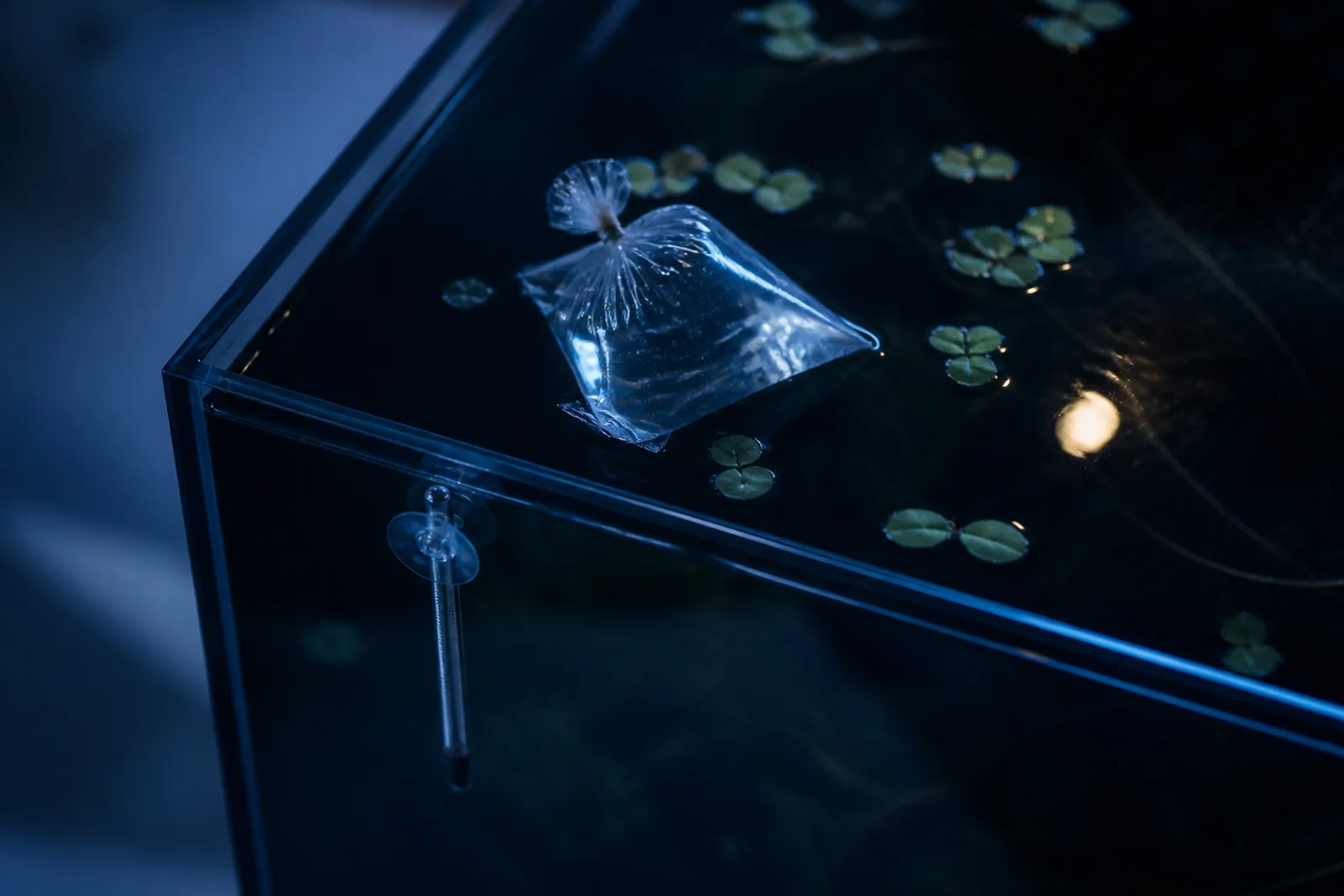
- Float a sealed bag or bottle of cold water. Sealed matters, so you are not adding water of a different chemistry.
- Increase surface movement, which helps evaporative cooling.
- Open the lid a little, watching that the fish cannot jump out.
- Turn the tank light off for the day.
- Move the tank out of direct sun if that is the cause, and permanently.
Warm water also holds less oxygen, so more surface agitation helps on two fronts.
The one urgent case
A heater stuck on, climbing well past its setting. Pull the plug immediately, then cool at the normal gentle pace.
This is the failure mode a separate thermometer exists to catch, and it is the reason not to rely on the indicator light on the heater itself.
What never to do
Do not pour cold or hot water straight into the tank. It changes temperature faster than the fish can adjust and alters the chemistry at the same time.
Do not add ice cubes made from tap water. Chlorine, and an abrupt local cold spot.
Do not move the fish to a container to cool it separately. That is another transition on a fish that is already dealing with one.
The accidental swing
Water changes are the most common unplanned temperature move. Replacement water several degrees off, at a quarter of the tank volume, shifts the whole thing noticeably.
Match it before it goes in, by thermometer rather than by hand. Hands are poor thermometers and consistently read warm water as cooler than it is.
Where to go next
The temperature guide covers the target range and why stability beats precision. The heater article covers sizing and choosing one, and the water changes guide covers matching replacement water properly.